

WORLD NGO DAY DIALOGUE IN KANO CALLS FOR UNITY, PARTNERSHIP AND YOUTH EMPOWERMENT
By Tijjani Sarki
Good Governance Advocate and Public Policy Analyst
March 6, 2026
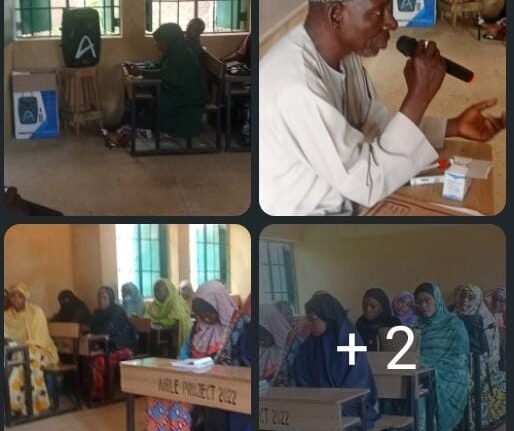
Civil society leaders, government officials, development advocates and media practitioners gathered on Thursday, March 5, 2026, at the AHBN Conference Hall in Kano to commemorate World NGO Day through a strategic dialogue focused on strengthening collaboration among non-governmental organizations.
World NGO Day, celebrated annually on February 27, was officially recognized in 2010 by the Council of the Baltic Sea States and later adopted internationally as a day dedicated to recognizing and celebrating the vital contributions of non-governmental organizations to development, humanitarian work, and social transformation across the world.
The event, organized by the Kano NGOs Network (KANET), was held under the theme “NGOs Unity, Development and Partnership Dialogue.” It brought together a broad spectrum of stakeholders to reflect on the critical role of civil society in advancing development, strengthening governance, and addressing pressing socio-economic challenges facing communities.
Participants at the gathering included representatives of civil society organizations, public office holders, youth advocates, development partners and members of the media, all of whom engaged in robust discussions on the need for stronger cooperation among NGOs in order to amplify their impact in society.
In his opening remarks, Dr. Musa Abdullahi Sufi, Chairman of the KANET Steering Committee, stressed the urgent need for unity within the civil society space. He noted that fragmented efforts often weaken the influence of NGOs and reduce the effectiveness of development interventions.
He emphasized that partnership and collaboration remain essential if civil society organizations are to effectively address challenges such as poverty, youth unemployment, gender inequality and limited access to quality education.
The event also featured an engaging panel discussion involving respected stakeholders including Dr. Abdurrahman Abdul and Ms. Zainab Nasir Ahmad, who served as panelists during the dialogue.
The panel focused largely on youth empowerment through education and mentorship as a sustainable pathway to development. The speakers emphasized that equipping young people with education, skills and mentorship opportunities remains one of the most effective ways to prepare them for leadership and productive participation in society.
They also highlighted unity of purpose among NGOs as a key strategy for bridging development gaps, noting that coordinated advocacy and shared initiatives can significantly improve the effectiveness of civil society interventions.
Also speaking at the event, Hon. Massaddiq, Senior Special Assistant on Open Government, reiterated the Kano State Government’s commitment to strengthening the Open Government Partnership (OGP) framework in the state. He reaffirmed the government’s readiness to ensure that OGP functions effectively and called for deeper collaboration with civil society organizations in promoting transparency, accountability and citizen participation in governance.
A major highlight of the programme was the keynote address which I had the privilege to deliver as Guest Speaker.
In my keynote titled “NGOs Unity, Development and Partnership Dialogue,” I emphasized that NGOs remain one of the strongest pillars of social transformation, particularly in developing societies where communities depend heavily on civil society for advocacy, humanitarian support and policy engagement.
I stressed that unity among NGOs is essential for strengthening policy influence, increasing institutional credibility and amplifying the voices of communities.
I further noted that Kano State possesses enormous human and cultural potential but continues to face significant development challenges, including youth unemployment, education gaps, gender-based vulnerabilities and governance concerns.
I therefore called on civil society organizations to rise above institutional rivalry and build strong coalitions capable of driving sustainable development and influencing public policy in the interest of the people.
I also emphasized the importance of professionalism, transparency and internal accountability within NGOs, noting that the credibility of civil society advocacy depends largely on the integrity of its institutions.
The event concluded on a positive and inspiring note, with participants expressing renewed commitment to strengthening unity, enhancing partnerships and deepening collaboration in pursuit of sustainable development.
Special appreciation was extended to AMG Foundation for successfully hosting the event and providing a conducive platform for meaningful dialogue and engagement among stakeholders.
By the close of the programme, the gathering had clearly achieved its objective. Participants left the hall with visible joy, renewed energy and a sense of hopeful optimism about the future of civil society collaboration in Kano State.
The dialogue ultimately reinforced one central message,a united civil society, working in partnership with government and development actors, holds the power to shape policies, empower communities and drive lasting development.