
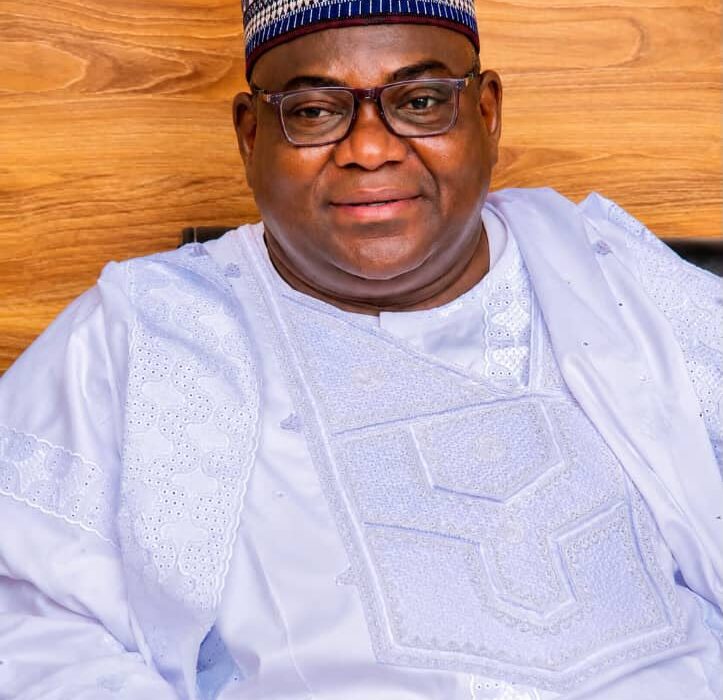
“Unable to Match His Record, Critics Resort to Attacking His Reputation”
…The Government Needs to Wake Up
By Munir Ibrahim Publisher
muneeribrahim2020@gmail.com
20th June, 2026
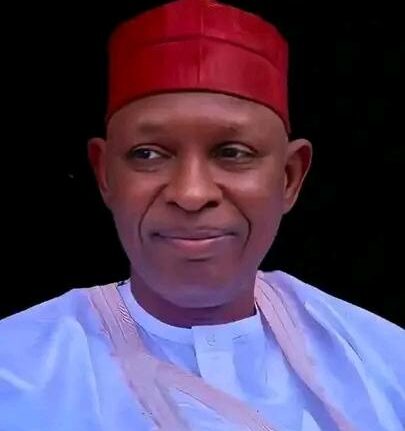
In every administration, outstanding performance attracts both admiration and opposition. While some celebrate hardworking public officials, others see their growing influence as a threat. This reality appears to explain the persistent attacks against Commissioner Ibrahim Abdullahi Waiya, one of the most visible and active members of the Kano State Executive Council.
What began as ordinary political criticism has gradually evolved into a sustained campaign aimed at discrediting the Commissioner and diminishing his contributions to the administration. The frequency and coordination of these attacks naturally raise questions about the motives behind them.
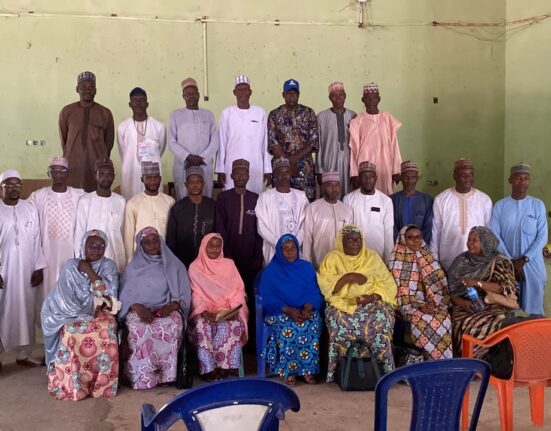
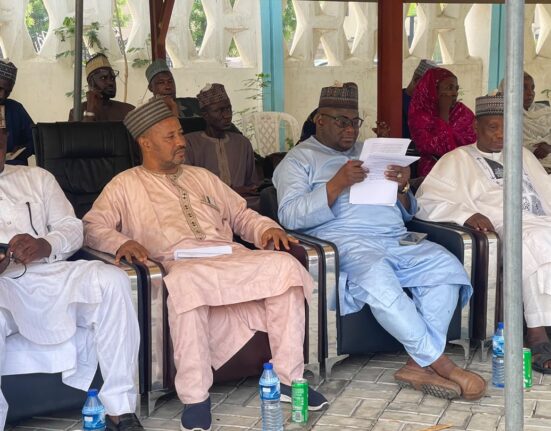
Commissioner Waiya has distinguished himself through an uncommon level of engagement with the public, media practitioners, civil society organizations, religious leaders, and community stakeholders. His accessibility and willingness to engage diverse groups have made him one of the most recognizable faces of the current administration.
One of his most significant contributions has been his effort to build bridges across Kano’s religious landscape. He has consistently engaged respected scholars and leaders from major Islamic groups, including Izala, Tijjaniyya, and Kadiriyya, recognizing their crucial role in promoting peace, social harmony, and responsible citizenship. At a time when unity is essential, such engagement has helped strengthen cooperation among influential religious stakeholders in support of the state’s development agenda.
Equally important is his leadership role in the Safe Corridor Project, one of the state’s most ambitious social intervention programmes. As the key coordinator of the initiative, Waiya has been at the forefront of efforts aimed at rehabilitating vulnerable youths, restoring peace in affected communities, and addressing challenges such as street violence, gang activities, and phone snatching.
The Safe Corridor Project goes beyond security enforcement. It focuses on rehabilitation, dialogue, reintegration, and community rebuilding, providing long-term solutions to social problems that have affected many communities across the state. Coordinating such a strategic initiative demonstrates the level of confidence placed in his leadership and commitment.
Beyond these efforts, Commissioner Waiya has played a central role in mobilizing and coordinating civil society organizations to support government policies and programmes. Through continuous engagement and collaboration, he has helped create stronger partnerships between government institutions and non-governmental organizations, ensuring that important policies receive wider public awareness and grassroots support.
His contributions also extend to the media sector. Through dialogue and constructive engagement, he has worked to encourage professionalism, reduce unnecessary tensions, and promote responsible public discourse. These efforts have contributed to a more constructive relationship among media stakeholders and strengthened communication between government and citizens.
Given these responsibilities and achievements, it is difficult to overlook the possibility that the attacks against him may be linked to political rivalry rather than genuine concern for governance. In politics, visibility, effectiveness, and public acceptance often attract opposition from those who feel threatened by another person’s success.
This is not to suggest that public officials should be beyond criticism. Accountability remains an essential part of democratic governance. However, criticism should be based on facts, performance, and the public interest rather than personal ambition or attempts to undermine individuals who are contributing meaningfully to government programmes.
The Kano State Government must remain vigilant and avoid allowing propaganda or political maneuvering to overshadow merit and performance. When dedicated public servants become targets simply because they are effective, the consequences extend beyond individuals and can ultimately affect the quality of governance itself.
Commissioner Waiya’s continued engagement with religious leaders, coordination of the Safe Corridor Project, partnership with civil society organizations, and efforts to strengthen public communication have made him an important contributor to the administration’s agenda. Whether his critics acknowledge it or not, these contributions have become part of the state’s ongoing efforts toward peace, stability, and development.
The government needs to wake up, recognize the value of committed public servants, and ensure that performance remains the standard by which officials are judged, not the volume of attacks directed against them.