HEALTH SECTOR REFORMS: HOW KANO STATE IS TRANSFORMING HEALTHCARE DELIVERY
Source: Brown Pigeon Media
HEALTH SECTOR REFORMS: HOW KANO STATE IS TRANSFORMING HEALTHCARE DELIVERY
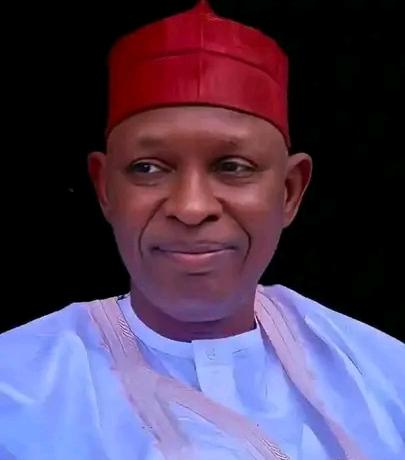
The health sector remains one of the most critical pillars of sustainable development, as the well-being of citizens directly influences productivity, economic growth, and the overall quality of life. In Kano State, healthcare reforms under the administration of His Excellency, Governor Abba Kabir Yusuf, have focused on improving medical infrastructure, strengthening access to essential medicines, and enhancing maternal and child healthcare services.
Modernizing Healthcare Infrastructure
One of the major priorities of healthcare reform is the modernization of health facilities to create a more accessible and effective healthcare system. Investments in the rehabilitation, renovation, and upgrading of hospitals and primary healthcare centres can improve service delivery, create a better environment for healthcare professionals, and provide patients with improved access to medical attention.
For a state with a large and growing population like Kano, strengthening healthcare infrastructure is essential to reducing pressure on major hospitals and bringing medical services closer to communities.
Improving Access to Essential Medicines
The availability of essential medicines is another important component of effective healthcare delivery. Efforts to improve the supply and accessibility of necessary drugs can help reduce the financial burden on patients, support the treatment of common illnesses, and strengthen public confidence in government-owned health facilities.
Sustained implementation, transparent procurement, effective distribution, and proper monitoring remain necessary to ensure that medicines reach the patients who need them.
Prioritizing Maternal and Child Health
Maternal and child healthcare deserves particular attention because the survival and well-being of mothers and children are important indicators of the performance of any healthcare system.
Improved antenatal services, skilled assistance during childbirth, postnatal care, childhood immunization, and access to emergency obstetric services can contribute to better health outcomes. Strengthening these services, particularly in rural communities, is essential to ensuring that women and children receive timely and appropriate medical attention.
Strengthening Primary Healthcare
Primary healthcare remains the foundation of an effective healthcare system. By strengthening healthcare centres across Kano State’s 44 local government areas, the administration can improve access to preventive care, immunization, health education, early diagnosis, and basic treatment.
A strong primary healthcare system also helps reduce avoidable hospital admissions and ensures that people in underserved communities are not left behind.
Accountability and Sustainable Healthcare Delivery
While healthcare reforms represent an important policy direction, their success must ultimately be measured by tangible improvements in people’s lives. The number of functional health facilities, availability of medicines, staffing levels, affordability of treatment, maternal and child health indicators, and patient satisfaction are essential measures for evaluating progress.
The administration must therefore sustain its investment, strengthen monitoring mechanisms, support healthcare workers, and ensure that public resources translate into measurable benefits for residents.
Building a Healthier Kano
The ongoing focus on healthcare reform under Governor Abba Kabir Yusuf’s administration places health infrastructure, access to essential medicines, maternal and child healthcare, and primary healthcare at the centre of Kano State’s development priorities.
The long-term success of these interventions will depend on consistent implementation, adequate funding, accountability, and the ability to deliver quality and affordable healthcare to every community.
A healthier Kano means a stronger population, a more productive society, and a brighter future for generations to come.
By Comrade Najeeb Nasir Ibrahim
DG abba continuity project