

FEAST AT WINDSOR, STEEL IN CHAINS: HOW I WATCHED NIGERIA CELEBRATE DEPENDENCY
Tijjani Sarki
I watched the images from Windsor,the smiles, the handshakes, the elegance of statecraft and I was left with a quiet, unsettling question:
What truly came back home with us?
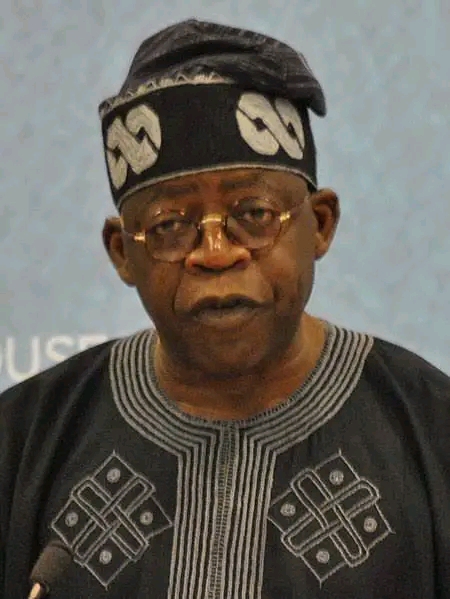
The visit by Bola Ahmed Tinubu has been presented as historic, marked by agreements and renewed cooperation. Among the outcomes is the planned refurbishment of Apapa Port and Tin Can Island Port,a development that could ease congestion and improve trade efficiency. These are tangible gains, and they deserve acknowledgment.
However, beyond these immediate benefits lies a more fundamental concern about direction and long-term national interest.
Nigeria continues to rely heavily on imported steel,the very material that underpins infrastructure, industrialization, and economic sovereignty. At the center of this contradiction stands the Ajaokuta Steel Complex, conceived as the backbone of Nigeria’s industrial future but left largely dormant for over four decades. Despite significant investment and near completion, it remains a symbol of unrealized ambition.
The implication is clear: while agreements abroad may deliver incremental improvements, they also reinforce a pattern of dependency when not matched with strong domestic capacity. The supply of foreign steel for critical infrastructure, including port rehabilitation, highlights the gap between Nigeria’s potential and its current reality.
This is not to dismiss the value of international partnerships. They are necessary in a globalized world. But partnerships should complement, not substitute, national capability. A country of Nigeria’s scale and resource base cannot sustainably outsource the foundation of its development.
It is important to recognize that perspectives will differ. Some will view these developments as pragmatic progress, others as insufficient. Such differences are natural. Yet, from a governance and public policy standpoint, the central issue remains whether current decisions are aligned with a clear strategy for industrial self-reliance.
The recurring challenge is not a lack of vision, but a deficit of execution. Projects like Ajaokuta represent more than infrastructure,they represent the possibility of transforming Nigeria from a consumer economy into a productive one. Until such projects are completed and operational, gains from external engagements will continue to appear limited in impact.
Nigeria’s path to sustainable growth lies in bridging this gap,between agreements and outcomes, between potential and performance.
The Windsor engagement may deliver short-term improvements, particularly in port operations. But the broader question endures:
When will Nigeria fully harness its own capacity to build, produce, and sustain its development?
Tijjani Sarki
Good Governance Advocate and Public Policy Analyst
Can be reached via: responsivecitizensinitiative@gmail.com